What is Smart Food Safety Temperature Monitoring and Why is it Important for Restaurants?
Smart food safety temperature monitoring uses digital sensors and automated systems to track and record food storage temperatures continuously, replacing or supplementing traditional manual checks with thermometers. These systems alert staff immediately when temperatures drift outside safe ranges, creating a proactive defense against food safety risks.
Restaurant food safety temperature monitoring depends heavily on maintaining precise temperature control throughout food storage, preparation, and service. Smart monitoring systems serve as the backbone of this critical operation, providing:
- Continuous surveillance of refrigeration units, freezers, and hot holding equipment
- Automated documentation that simplifies compliance record-keeping
- Instant notifications when equipment malfunctions or temperatures fluctuate
The importance of temperature control cannot be overstated in food service environments. A single refrigeration failure overnight can spoil thousands of dollars in inventory. More seriously, temperature abuse creates conditions where harmful bacteria multiply to dangerous levels within hours.
Poor temperature control leads to three devastating consequences: foodborne illness outbreaks that harm customers, regulatory violations resulting in fines or closures, and significant financial losses from spoiled inventory. Traditional manual monitoring—checking temperatures every few hours with handheld thermometers—leaves dangerous gaps where problems go undetected. Smart systems eliminate these blind spots, transforming temperature management from a periodic task into a constant safeguard.
Why Must Restaurants Adhere to Food Safety Temperature Standards?
Restaurants must follow strict food safety standards because regulatory bodies worldwide recognize temperature control as the primary defense against foodborne illness. Health departments mandate specific temperature thresholds to create environments where harmful bacteria cannot thrive, protecting both customers and businesses from the devastating consequences of contaminated food.
Understanding Regulatory Temperature Requirements
Food safety regulations establish clear boundaries for safe food storage and service. Cold foods require refrigeration at 5°C or below, while hot foods must maintain temperatures of 60°C or above during holding periods. These numbers aren’t arbitrary—they represent scientifically validated thresholds where bacterial growth slows to negligible rates.
Refrigerated storage at or below 5°C creates conditions hostile to most pathogenic bacteria. At these temperatures, bacterial reproduction slows dramatically, extending the safe shelf life of perishable ingredients. The cold environment essentially puts bacteria into a dormant state, preventing the rapid multiplication that leads to food poisoning.
Hot holding requirements serve a different but equally critical purpose. Maintaining cooked foods at 60°C or higher doesn’t just slow bacterial growth—it actively destroys many harmful microorganisms. This temperature range ensures that foods prepared in advance remain safe for service throughout meal periods.
The Temperature Danger Zone Explained
The range between 5°C and 60°C represents what food safety experts call the temperature danger zone. Within this range, bacteria multiply at alarming rates, potentially doubling their population every 20 minutes under optimal conditions. A single bacterium can become millions within hours when food sits in this critical temperature band.
Common scenarios that push food into the danger zone include:
- Leaving ingredients on prep counters during extended preparation periods
- Inadequate cooling of large batches of cooked food
- Holding hot foods in warming equipment that doesn’t maintain proper temperatures
- Thawing frozen items at room temperature
- Storing food in overcrowded refrigerators with poor air circulation
The danger zone poses particular risks during food transitions—when items move from cooking to cooling, from storage to preparation, or from kitchen to service. Each of these moments creates opportunities for temperature abuse if staff don’t follow proper protocols.
To mitigate these risks, it’s essential for restaurant staff to adhere strictly to food safety prevention measures. Restaurant kitchens face unique challenges in avoiding the danger zone. High ambient temperatures from cooking equipment, frequent door openings, and large volumes of food being prepared all contribute to fluctuations in temperature that can compromise safety.
How Does Temperature Monitoring Prevent Foodborne Illness Outbreaks?
Temperature monitoring is the main way to prevent foodborne illness outbreaks. It does this by controlling the environment where harmful bacteria can grow. When restaurants don’t keep temperatures at the right levels, they create perfect conditions for pathogens to multiply and reach dangerous levels that can make customers sick within hours of eating.
Where Bacteria Hide in Restaurant Environments
Bacteria are present everywhere in food service operations, which means there is always a risk of contamination without proper controls in place. Here are some common places where bacteria can be found:
- Raw meats, poultry, and seafood: These items already contain natural bacteria such as Salmonella, Campylobacter, and E. coli when they arrive at restaurants.
- Fresh produce: Pathogens can be present on fresh fruits and vegetables due to contact with contaminated soil or irrigation water.
- Air circulation: The air in kitchens can carry bacterial spores that settle on food surfaces.
Food handlers also play a role in introducing bacteria into the environment. This can happen through direct contact with skin, respiratory droplets from coughing or sneezing, and improper handwashing practices. Additionally, cutting boards, knives, and preparation surfaces can become breeding grounds for bacteria if they are not properly cleaned and sanitized between uses.
Water used for washing vegetables or making ice can also be a source of microorganisms if the sourcing or filtration systems are not functioning properly.
The kitchen environment has many opportunities for cross-contamination to occur:
- Refrigeration units: Raw and cooked foods should never share the same space in refrigeration units to prevent cross-contamination.
- Prep stations: Multiple ingredients being handled simultaneously at prep stations can lead to bacterial transfer if proper hygiene practices are not followed.
- Serving areas: Food that sits exposed to ambient temperatures in serving areas is at risk of bacterial growth.
- Storage zones: Temperature fluctuations in storage areas can go unnoticed and create conditions for bacterial multiplication.
The Speed of Bacterial Reproduction Under Poor Temperature Control
Bacteria reproduce by splitting into two, doubling their population every 20 minutes when conditions are ideal. If food is left in the danger zone (between 40°F and 140°F) for too long, a single bacterium can turn into over one million cells in just seven hours. This rapid growth turns a small contamination problem into a serious health threat.
One specific bacterium of concern is Staphylococcus aureus, which produces toxins that cause illness even after the bacteria itself is killed by cooking. If contaminated food stays at room temperature for just four hours, enough toxin can build up to cause vomiting and diarrhea in healthy adults. Children, elderly patrons, and individuals with weakened immune systems face even greater risks from smaller amounts of bacteria.
Temperature abuse scenarios happen more often than many restaurant operators realize:
- Morning prep work left on counters while staff handle other tasks
- Buffet setups where food sits out for extended periods without temperature control
- Delivery delays causing perishable items to remain outside safe temperature ranges
- Cooling processes that take too long or are improperly executed
By implementing effective temperature monitoring practices, these potential risks can be mitigated.
What Are the Compliance Requirements for Temperature Monitoring in Restaurants?
Restaurants must meet specific regulatory compliance standards for temperature monitoring equipment and procedures. Health departments mandate that all thermometers used for food safety checks maintain an accuracy of ±1°C (or ±2°F), ensuring readings are precise enough to detect when food enters the danger zone. This strict accuracy requirement exists because even a small temperature deviation can mean the difference between safe food and rapid bacterial multiplication.
Mandatory Temperature Check Protocols
Health code adherence requires restaurants to implement systematic temperature monitoring schedules. Food service establishments must check and record temperatures of refrigerated foods, frozen items, and hot-held dishes at regular intervals throughout each operating day. The standard requirement calls for temperature checks every 2-4 hours during service periods, though high-risk establishments may face more frequent monitoring mandates.
Documentation forms the backbone of regulatory compliance. Restaurants must maintain detailed temperature logs that include:
- Date and time of each temperature check
- Specific food item or storage unit tested
- Recorded temperature reading
- Name or initials of staff member conducting the check
- Corrective actions taken if temperatures fall outside safe ranges
These records must typically be retained for a minimum of 30-90 days, depending on local health department requirements. Inspectors routinely review these logs to verify consistent monitoring practices.
Temperature Monitoring Methods Recognized by Health Authorities
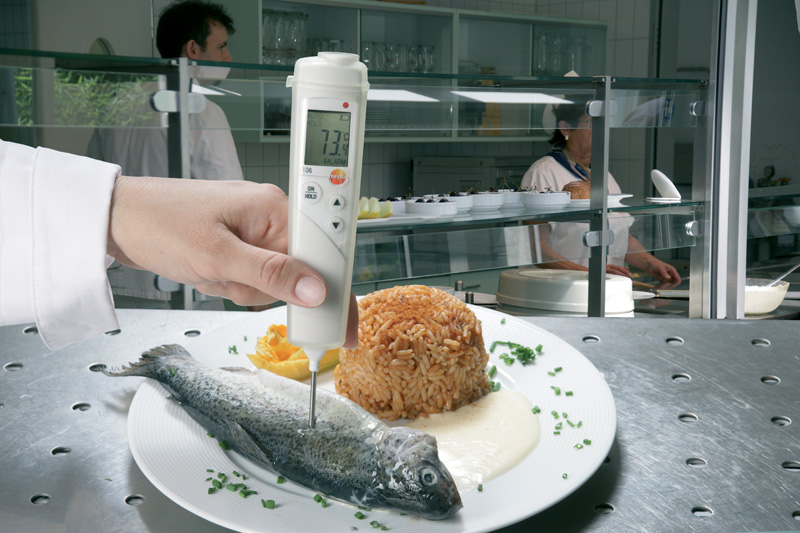
Regulatory bodies accept various temperature checking methods, provided they meet accuracy standards. Manual probe thermometers remain the most common tool, requiring staff to insert the probe into the geometric center of food items to obtain accurate core temperatures. The thermometer must penetrate at least 5 cm into larger food items to ensure the reading reflects the coldest or hottest internal point.
Infrared thermometers offer non-contact surface temperature readings but face limitations in regulatory acceptance. Health codes typically require infrared devices only for surface checks of packaging or equipment
Why Is Consistent Temperature Monitoring Critical in Daily Operations?
Consistent temperature monitoring is essential for daily food safety operations because temperatures can change at any time during service hours. For example, a refrigeration unit might break down during a busy lunch rush, or a hot holding station could drop below safe temperatures without anyone noticing. If there are no regular checks in place, these dangerous situations can go undetected, putting customers at risk and exposing the restaurant to legal issues.
How Often Should Restaurants Check Food Temperatures?
Food safety authorities recommend checking temperatures every 2-4 hours for all potentially hazardous foods in storage, display, and holding areas. This frequency strikes a balance between maintaining safety and allowing staff to focus on other operational duties. High-risk establishments or those serving vulnerable populations may need more frequent checks, sometimes hourly during peak service times.
The 2-4 hour window exists because bacterial growth speeds up quickly once food enters the danger zone. Within this timeframe, restaurants can identify problems and take corrective action before bacterial levels become dangerous. Waiting longer between checks creates gaps where contamination can develop without being noticed.
What Tools Enable Consistent Temperature Checks?
Probe thermometers are still the most common manual tool used to verify temperatures. These handheld devices allow staff to quickly check the internal temperatures of food by inserting the probe into the thickest part of the product. It’s important for staff to sanitize probes between uses to prevent cross-contamination and calibrate them regularly to maintain accuracy.
Manual checking with probe thermometers requires discipline and documentation. Staff must:
- Record each temperature reading along with the time and location
- Initial the log to confirm who performed the check
- Note any corrective actions taken for temperatures that are out of range
- Store logs for regulatory inspection purposes
Digital temperature systems represent a significant advancement in continuous monitoring capabilities. These automated solutions use wireless sensors placed in refrigerators, freezers, hot holding units, and preparation areas. The sensors transmit real-time temperature data to a central monitoring platform accessible via computer or mobile device.
Smart digital systems eliminate the potential for human error that comes with manual checks. Sensors never forget to take readings, never misread displays, and never fail to document results. They provide uninterrupted surveillance 24 hours per day, including overnight hours when staff may not be present.
It’s crucial to remember that proper storage is also an essential part of maintaining food safety standards. Regularly consulting resources like this study guide from ServSafe can provide valuable insights into best practices for food safety and temperature monitoring.
How Smart Temperature Monitoring Systems Help Reduce Waste and Increase Profits
Smart temperature monitoring systems directly reduce food waste by identifying temperature changes before products spoil. When refrigeration units break down or hot holding equipment fails to maintain proper temperatures, food quality deteriorates rapidly, forcing restaurants to throw away entire batches of ingredients or prepared meals.
The Hidden Cost of Manual Temperature Checks
Manual temperature monitoring creates gaps in oversight that lead to significant financial losses. A restaurant checking temperatures every four hours leaves substantial windows where equipment failures go undetected. During these gaps, a malfunctioning walk-in cooler can bring temperatures into the danger zone, compromising hundreds of dollars worth of fresh produce, dairy products, and proteins.
The financial impact extends beyond the immediate cost of discarded food. Restaurants must account for:
- Labor costs associated with preparing replacement items
- Emergency ingredient purchases at premium prices
- Lost revenue from menu items temporarily unavailable
- Staff time spent documenting and disposing of spoiled products
Automated Alerts Transform Spoilage Prevention
Smart monitoring systems eliminate detection delays through continuous temperature surveillance. These systems send instant notifications when temperatures deviate from safe ranges, allowing managers to respond within minutes rather than hours. A refrigeration unit beginning to fail at 2 AM triggers an alert, enabling staff to transfer products to backup storage before spoilage occurs.
The speed of response makes the difference between saving inventory and accepting losses. Traditional manual checks might not discover the malfunction until the morning shift arrives, by which point perishable items have spent hours in unsafe temperatures. Automated systems compress response times from hours to minutes, preserving product integrity and protecting profit margins.
Data-Driven Inventory Management
Temperature monitoring systems generate detailed records that reveal patterns in equipment performance and product storage. These analytics help restaurants optimize inventory ordering by identifying which storage units maintain the most consistent temperatures for specific product types. A restaurant might discover that certain refrigeration zones experience more temperature variability, prompting them to store less sensitive items in those areas.
Historical temperature data supports more accurate inventory forecasting. Restaurants can analyze how temperature consistency affects product shelf life, allowing them to adjust ordering quantities and frequencies. Products stored in equipment with stable temperature control last longer, reducing the need for frequent reordering and minimizing emergency purchases.
Quantifying the Financial Return
What Role Does Staff Training Play in Effective Temperature Control?
Staff training is essential for any successful temperature monitoring program. Even the most advanced smart monitoring systems cannot work effectively without employees who know how to use them correctly. Training ensures that every team member—from kitchen staff to managers—knows how to operate thermometers, interpret readings, and respond appropriately when temperatures fall outside safe ranges.
Why Is Proper Equipment Usage Education Non-Negotiable?
Restaurant staff must receive comprehensive instruction on thermometer calibration, probe placement, and reading interpretation. A probe thermometer inserted incorrectly into food can provide false readings, creating a dangerous illusion of safety. Staff need to understand that checking the thickest part of meat, avoiding contact with bones, and waiting for temperature stabilization are critical steps that directly impact food safety outcomes.
Digital monitoring systems require specific operational knowledge. Employees should learn how to:
- Verify sensor accuracy through regular calibration checks
- Position wireless sensors correctly in refrigeration units and hot holding equipment
- Interpret dashboard readings and recognize when alerts require immediate action
- Document temperature logs accurately for compliance records
- Troubleshoot common issues such as sensor disconnections or battery warnings
Training sessions should include hands-on practice with actual equipment used in the establishment. This practical experience builds confidence and reduces the likelihood of errors during busy service periods.
How Does Training Support Adherence to Safety Standards?
Understanding the “why” behind temperature protocols transforms compliance from a checkbox exercise into a meaningful practice. When staff members grasp that the 5°C to 60°C danger zone allows bacteria to double every 20 minutes, they recognize the urgency of maintaining proper temperatures. This knowledge creates internal motivation that extends beyond fear of disciplinary action.
Trained employees become active participants in the food safety culture rather than passive rule-followers. They develop the ability to identify potential risks before they escalate into violations. A line cook who understands temperature danger zones will notice when a refrigerator door has been left ajar and take immediate corrective action without waiting for a supervisor’s instruction.
Regular refresher training reinforces proper protocols and updates staff on new equipment or revised procedures. These sessions provide opportunities to address common mistakes, share best practices, and discuss real scenarios encountered in the restaurant. Role-playing exercises where staff
How Can Smart Monitoring Enhance Overall Food Safety Protocols?
Smart monitoring transforms temperature tracking from an isolated task into a cornerstone of comprehensive food safety management. These systems create a foundation that connects with every aspect of restaurant operations, from cleaning schedules to crisis response procedures, establishing a unified approach to protecting food quality and customer health.
Creating Synergy Between Temperature Control and Sanitation
Temperature monitoring gains exponential value when paired with hygiene standards integration. Smart systems document not just temperature readings but create a complete timeline of food safety activities throughout the day. When staff log refrigerator temperatures, the same platform can prompt them to verify cleaning tasks, check sanitizer concentrations, and confirm handwashing protocols have been followed.
This interconnected approach reveals patterns that single-focus monitoring misses. A restaurant might discover that temperature fluctuations in a walk-in cooler coincide with periods of heavy traffic and frequent door openings. The same data shows whether staff are maintaining proper hand hygiene during these busy periods. Integrated safety protocols eliminate blind spots by treating food safety as a holistic system rather than separate checklists.
Digital platforms allow managers to set up automated workflows that link related safety tasks. When a staff member records the temperature of a prep station, the system can automatically trigger reminders for surface sanitization or equipment cleaning. This creates natural connections between temperature control and cleanliness standards, ensuring nothing falls through the cracks during rush periods.
Strengthening Audit Readiness and Documentation
Smart monitoring systems serve as continuous preparation for health inspections and internal audits. Traditional paper logs often contain gaps, illegible entries, or retrospective fill-ins that raise red flags during inspections. Digital systems timestamp every entry and prevent data manipulation, creating an audit trail that demonstrates genuine compliance.
Health inspectors increasingly value electronic records that show consistent monitoring patterns. These systems can instantly generate reports covering any time period, displaying temperature trends, staff compliance rates, and corrective actions taken. When an inspector asks about refrigeration practices from three months ago, managers can pull up detailed records within seconds rather than searching through stacks of paper.
The documentation extends beyond routine monitoring. Smart systems record:
- Exact times when temperature deviations occurred
- Duration of any excursions outside safe ranges
- Staff members who responded to alerts
- Corrective measures implemented
Additionally, smart monitoring plays a crucial role in food safety supplier management. By ensuring suppliers adhere to strict temperature control and hygiene standards through real-time monitoring and data analysis, restaurants can mitigate risks associated with foodborne illnesses and maintain high levels of customer satisfaction.
What Are the Benefits of Real-Time Alerts and Data Analytics in Smart Systems?
Real-time alerts transform temperature monitoring from a reactive task into a proactive safety measure. Smart systems instantly notify managers and staff when temperatures deviate from safe ranges, eliminating the risk of delayed responses that could compromise food safety. These alerts arrive via mobile notifications, email, or dashboard warnings, ensuring the right people receive critical information regardless of their location in the restaurant.
The immediate notification system addresses temperature fluctuations within minutes rather than hours. When a refrigeration unit begins warming beyond 5°C, alerts trigger before food enters the danger zone. This rapid response capability prevents scenarios where spoilage goes undetected until the next scheduled manual check, potentially saving entire inventory sections from disposal.
How Do Temperature Deviation Alerts Function in Practice?
Smart sensors continuously measure storage unit temperatures at intervals as frequent as every 30 seconds. The system compares these readings against preset parameters specific to each storage area. Walk-in coolers, reach-in refrigerators, and hot holding cabinets each maintain different thresholds tailored to their intended use.
When readings exceed acceptable ranges, the system initiates a tiered alert protocol:
- Level 1 alerts notify floor staff of minor deviations requiring immediate attention
- Level 2 alerts escalate to kitchen managers when temperatures remain outside safe zones for extended periods
- Level 3 alerts reach senior management and maintenance teams for equipment failures requiring urgent repair
This graduated response ensures appropriate personnel handle each situation based on severity. A door left ajar receives quick floor-level correction, while compressor failures immediately involve maintenance contractors.
What Role Does Continuous Supervision Technology Play?
Continuous supervision technology eliminates gaps in monitoring coverage that manual systems cannot avoid. Traditional probe thermometer checks occur every 2-4 hours, creating blind spots where temperature excursions remain undetected. Such manual temperature logs are no longer enough for food safety, as smart systems maintain constant vigilance, capturing every temperature fluctuation throughout 24-hour operations.
This uninterrupted monitoring proves particularly valuable during overnight hours when staffing levels decrease. Equipment malfunctions occurring at 3 AM receive the same immediate attention as daytime incidents. The system never sleeps, takes breaks, or forgets scheduled checks.
The technology also removes human error from the equation. Staff
Conclusion
Why Smart Food Safety Temperature Monitoring Is Crucial for Restaurants becomes clear when examining its multifaceted impact on modern food service operations. Smart temperature monitoring systems serve as the backbone of public health protection, preventing bacterial growth that leads to foodborne illness outbreaks. These systems simultaneously drive operational efficiency by automating what was once a labor-intensive manual process, freeing staff to focus on customer service and food preparation.
The financial benefits extend beyond labor savings. Restaurants implementing smart monitoring reduce food waste significantly by catching temperature deviations before products spoil. This protection of inventory directly improves profit margins while demonstrating environmental responsibility through reduced waste.
Customer trust in restaurants hinges on consistent food safety practices. Smart monitoring systems provide the documentation and reliability that customers expect, protecting brand reputation in an era where a single food safety incident can spread rapidly through social media and review platforms.
The technology landscape continues evolving, making smart temperature monitoring more accessible and affordable for restaurants of all sizes. Investing in these systems represents a commitment to:
- Protecting customer health through consistent temperature control
- Meeting regulatory requirements with automated documentation
- Reducing operational costs through waste prevention
- Building lasting customer loyalty through demonstrated safety standards
Restaurant operators who embrace smart temperature monitoring position their businesses for sustainable growth in an increasingly competitive and safety-conscious market.
Click here: Why Restaurants Are Switching to Restaurant Food Safety Software