What Is Food Safety and Compliance in Manufacturing, and Why Is It Important?
Food safety in manufacturing refers to the practices and protocols that prevent contamination, spoilage, and health hazards throughout the production process. Compliance in manufacturing means adhering to established regulations, standards, and legal requirements set by governing bodies to ensure these safety measures are consistently implemented.
The link between food safety and compliance in manufacturing creates a framework where regulatory oversight drives operational excellence. Without compliance structures, food safety becomes subjective and inconsistent. Regulations transform best practices into mandatory requirements, establishing baseline standards that all manufacturers must meet.
This relationship protects public health while creating accountability across the supply chain. When manufacturers follow food manufacturing regulations like those outlined in wholesale food safety guidelines, they implement systematic controls at every production stage—from raw material sourcing to final product distribution. These controls include temperature monitoring, sanitation protocols, allergen management, and contamination prevention measures.
Compliance supports safe food production through several mechanisms:
- Standardization of hygiene practices across facilities
- Verification systems that confirm safety measures are working
- Traceability protocols that track products through the supply chain
- Documentation requirements that create accountability
- Regular audits that identify gaps before problems occur
The regulatory framework also levels the competitive playing field. All manufacturers operate under the same food safety expectations, preventing shortcuts that could compromise consumer health. This standardization builds consumer confidence in the food supply, knowing that products meet verified safety criteria regardless of which facility produced them.
For manufacturers, compliance isn’t merely about avoiding penalties. It represents a systematic approach to risk management that protects both consumers and business operations. A single food safety failure can result in recalls, legal action, and irreparable brand damage—consequences far exceeding the investment required for proper compliance programs.

What Are the Key Food Safety Regulations Affecting Manufacturers?
Food safety regulations create a universal framework that every manufacturer must follow, regardless of product type or production scale. These regulations establish minimum standards for hygiene, contamination prevention, and traceability across all stages of food production. The SQF Code stands as one of the most comprehensive certification programs, providing detailed requirements for everything from raw material handling to finished product distribution.
Which Regulatory Agencies Oversee Food Manufacturing?
Multiple regulatory agencies share responsibility for enforcing food safety standards, each with distinct jurisdictions and specializations. In Queensland, Australia, Queensland Health monitors food safety compliance across restaurants, retail outlets, and general food businesses. Safe Food Production Queensland takes a more targeted approach, managing industry-specific safety schemes for high-risk sectors including meat processing, dairy production, egg farming, seafood handling, and horticultural operations.
These regulatory agencies conduct regular inspections, investigate foodborne illness outbreaks, and have authority to issue penalties or suspend operations when violations occur. Manufacturers dealing with multiple product categories may need to satisfy requirements from several agencies simultaneously.
What Role Do Local Councils Play in Food Safety Compliance?
Local councils serve as the frontline regulatory authority for most food manufacturers, issuing essential licenses and permits required before operations can begin. Every food business must register with their local council and obtain approval for their premises, equipment, and operational procedures. Council health inspectors perform routine assessments to verify ongoing compliance with hygiene standards, waste management protocols, and structural requirements.
The licensing process through local councils includes:
- Initial premises inspection to assess suitability for food production
- Equipment verification to ensure proper installation and maintenance
- Food safety program approval demonstrating systematic hazard control
- Annual renewal requirements with updated documentation
Manufacturers cannot legally operate without valid council approval, making this relationship critical to business continuity.
How Are Genetically Modified Foods Regulated?
Genetically modified (GM) foods face additional regulatory scrutiny through specialized standards that require pre-market evaluation and approval. Food Standards Australia New Zealand (FSANZ) assesses all GM foods before they can be sold, examining potential health risks, allergenicity, and nutritional composition. Manufacturers using GM ingredients must maintain detailed records demonstrating compliance with approved varieties an
How Does Compliance Ensure Food Safety Throughout Manufacturing Stages?
Compliance frameworks create structured checkpoints at every phase of production, preventing hazards from entering the food supply chain. Each manufacturing stage—from raw material receipt through processing, packaging, distribution, and final sale—presents unique contamination risks that regulatory standards specifically address through mandatory controls and verification procedures.
Critical Food Safety Stages in Production
1. Processing
This is the first step where raw ingredients are transformed. During this stage, biological, chemical, and physical hazards pose the greatest threats. To ensure safety, compliance protocols require:
- Monitoring temperatures during cooking or pasteurization
- Validating kill steps for harmful microorganisms
- Documenting procedures for handling ingredients
For example, a meat processing facility must maintain specific time-temperature combinations to eliminate E. coli and Salmonella. Continuous recording devices are used to provide evidence of compliance.
2. Manufacturing
This stage involves assembling, formulating, and preparing finished products. Here, compliance mandates strict allergen control programs to prevent cross-contact between production lines. It also emphasizes the importance of validating equipment cleaning processes—manufacturers must prove that sanitation procedures effectively remove allergens and pathogens between product runs. To minimize contamination risks, production scheduling often separates items containing allergens from those that are allergen-free.
3. Distribution
During transport and storage, temperature control challenges and opportunities for physical contamination arise. Compliance requires documentation of the cold chain for refrigerated items, records of vehicle sanitation practices, and implementation of pest control programs at warehouses. Real-time monitoring using GPS-enabled temperature loggers creates audit trails that demonstrate continuous compliance from the factory to the retail location.
4. Sale
The final transfer of custody occurs at this stage, where it is crucial to maintain the integrity of the product. Retailers receiving manufactured goods verify compliance by reviewing certificates of analysis, tracing batch codes, and validating shelf-life claims. Point-of-sale compliance includes ensuring proper storage conditions and training staff on disclosing allergen information.
Contamination Prevention Through Compliance Measures
Compliance helps reduce contamination risks through prerequisite programs that establish basic sanitary conditions. These foundational controls include:
- Supplier approval systems that verify ingredient safety before materials enter facilities
- Receiving inspections checking for signs of pests, package integrity issues, and temperature abuse
- Zoning protocols separating areas where raw food and ready-to-eat food are handled to prevent cross-contamination
- Personnel practices requiring handwashing stations and protective clothing for workers
Why Is Adherence to Food Safety Codes Like SQF Essential for Manufacturers?
The SQF Code provides manufacturers with a comprehensive framework that addresses critical safety elements from raw material handling to finished product distribution. This internationally recognized certification system establishes rigorous standards for hygiene practices, allergen control, and environmental monitoring that go beyond basic regulatory requirements. Manufacturers implementing SQF protocols gain access to global markets while demonstrating their commitment to producing safe, high-quality food products.
What Specific Guidelines Does the SQF Code Provide?
The SQF Code outlines detailed requirements for maintaining sanitary conditions across all production areas. These guidelines specify cleaning frequencies, sanitizer concentrations, and verification procedures for equipment and surfaces that contact food. Temperature controls, cross-contamination prevention measures, and personnel hygiene protocols form the foundation of these standards.
Allergen management represents a critical component of SQF compliance. The code requires manufacturers to:
- Identify and document all allergens present in the facility
- Implement physical separation or validated cleaning procedures between allergen-containing products
- Establish clear labeling protocols that accurately communicate allergen information
- Train staff on allergen handling procedures and cross-contact prevention
- Conduct regular testing to verify the effectiveness of allergen controls
How Does SQF Build a Food Safety Culture?
A food safety culture emerges when organizations integrate safety principles into every decision and action. SQF certification requires leadership commitment, employee engagement, and continuous improvement practices that transform safety from a compliance checkbox into a core operational value. Management must demonstrate active participation in safety initiatives, allocate resources for training programs, and establish open communication channels where workers feel empowered to report concerns.
The code mandates regular training sessions that keep food safety awareness at the forefront of daily operations. Employees learn to recognize potential hazards, understand their role in preventing contamination, and take ownership of safety outcomes. This cultural shift reduces human error incidents and creates teams that proactively identify improvement opportunities rather than simply following procedures.
What Role Does SQF Play in Managing Compliance Risks?
Compliance risks in food manufacturing extend beyond immediate safety concerns to include legal liability, market access restrictions, and reputational damage. The SQF Code’s systematic approach helps manufacturers identify vulnerabilities before they escalate into serious incidents
What Are the Legal and Certification Requirements for Food Manufacturing Compliance?
Food manufacturers cannot legally operate without securing the appropriate permits and licenses from regulatory authorities. Local councils typically issue business licenses that authorize food production activities, while health departments grant specific permits verifying that facilities meet sanitation and safety standards. These approvals demonstrate that manufacturing sites comply with zoning regulations, building codes, and operational requirements before any food production begins.
The legal requirements food manufacturing businesses must satisfy vary based on product type and intended market. Standard requirements include:
- Business registration and food handling licenses
- Health department inspections and facility approvals
- Water quality certifications for production use
- Waste disposal permits for manufacturing byproducts
- Import/export licenses for international trade
Certification standards organic products demand additional verification processes beyond basic licensing. Organic certification requires manufacturers to document their entire supply chain, proving that ingredients originate from certified organic sources and that production methods avoid synthetic pesticides, fertilizers, or genetic modification. Accredited certification bodies conduct regular audits to verify compliance with organic standards, examining everything from ingredient sourcing to cleaning procedures that prevent cross-contamination with non-organic materials.
Biodynamic certification represents an even more rigorous standard, requiring adherence to holistic farming principles and specific production timing aligned with natural cycles. Manufacturers pursuing these premium certifications must maintain detailed records, implement strict segregation protocols, and undergo annual inspections to retain their certified status.
The legal implications of non-compliance with food safety laws extend far beyond monetary penalties. Manufacturers operating without proper licenses face immediate shutdown orders and potential criminal prosecution. Violations resulting in contaminated products can trigger product recalls costing millions in direct expenses, lost revenue, and destroyed inventory. Serious safety breaches that harm consumers may result in:
- Civil lawsuits seeking compensation for injuries or illnesses
- Criminal charges against company executives for negligence
- Permanent revocation of operating licenses
- Mandatory facility closures until corrective actions are completed
- Public disclosure of violations damaging brand reputation
Regulatory agencies maintain public databases listing non-compliant manufacturers, creating lasting reputational damage that affects customer relationships and market access. Insurance companies may deny coverage or dramatically increase premiums for businesses with compliance violations, while retailers and distributors often terminate contracts with non-compliant suppliers to protect their own liability
How Does Compliance Protect Consumer Health and Product Integrity?
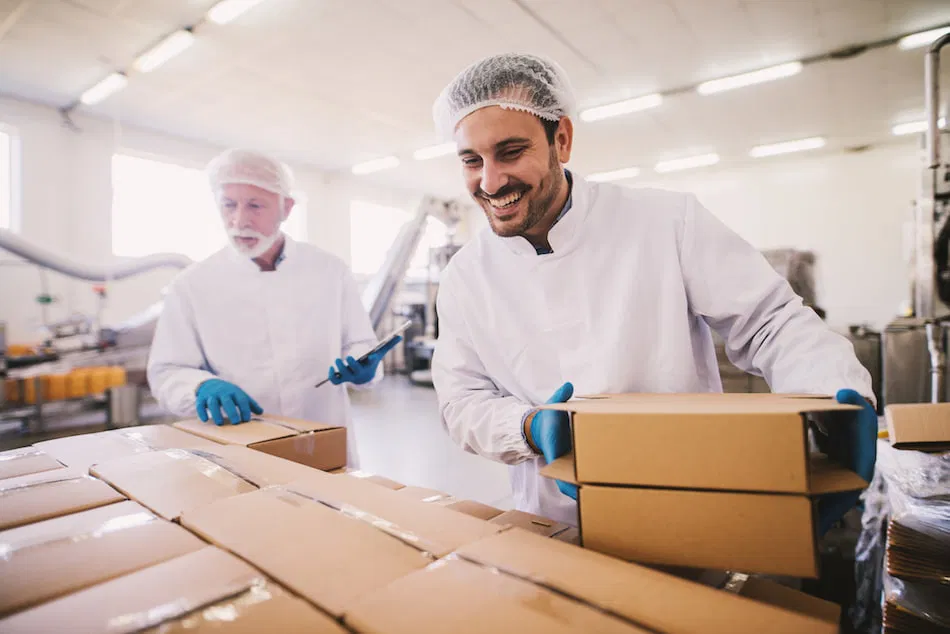
Regulatory compliance creates a protective barrier between potential hazards and the final consumer by establishing systematic controls at every point in the manufacturing process. Consumer health protection begins when manufacturers implement documented procedures for ingredient verification, temperature controls, and sanitation protocols that prevent biological, chemical, and physical contaminants from entering products.
Maintaining Quality Throughout the Supply Chain
Compliance frameworks require manufacturers to establish traceability systems that track ingredients from suppliers through production to distribution. These systems enable rapid identification of quality issues before products reach consumers. When a manufacturer follows regulatory standards, each batch undergoes documented testing and verification, creating multiple checkpoints where substandard products can be identified and removed.
Temperature monitoring requirements exemplify how compliance maintains quality. Refrigerated products must remain within specific temperature ranges during storage and transport. Compliance mandates continuous monitoring and documentation, preventing bacterial growth that could compromise both safety and product characteristics like texture, flavor, and nutritional value.
Preventing Contamination at Critical Points
Contamination prevention operates through layered defense mechanisms built into compliance requirements. Physical barriers separate raw materials from finished products, preventing cross-contamination. Staff hygiene protocols, including handwashing stations and protective clothing requirements, eliminate human-related contamination risks.
Allergen management protocols demonstrate how compliance prevents specific contamination threats. Manufacturers must:
- Maintain separate production lines or implement thorough cleaning between allergen-containing products
- Label equipment and storage areas clearly
- Train staff on allergen handling procedures
- Verify cleaning effectiveness through testing
Environmental monitoring programs required by compliance standards detect potential contamination sources before they affect products. Regular testing of surfaces, air quality, and water systems identifies microbial risks, allowing corrective action before contamination occurs.
Building Consumer Trust Through Standards Adherence
Product integrity assurance through compliance creates measurable benefits for brand reputation and market position. When manufacturers consistently meet regulatory standards, consumers develop confidence that products will deliver expected safety and quality every time they purchase.
Third-party certifications like SQF provide visible proof of compliance commitment. These certifications require regular audits by independent assessors, giving consumers assurance beyond manufacturer claims. Retailers increasingly require such certifications, recognizing that compliance reduces their own liability risks and protects their reputation.
Documented compliance history
Conclusion
Why must manufacturers treat food safety and compliance as inseparable priorities? The link between food safety and compliance forms the foundation of successful food manufacturing operations, where regulatory adherence directly translates to consumer protection and business sustainability.
Manufacturers who integrate both elements create systems that protect public health while building competitive advantages. Compliance frameworks provide the structure needed to implement consistent safety practices across all production stages.
The business case for prioritizing both includes:
- Risk mitigation – Preventing costly recalls, legal actions, and operational shutdowns. This is similar to the sustainability risk mitigation strategies employed in real estate investing.
- Market access – Meeting requirements for domestic and international trade
- Operational efficiency – Standardized processes that reduce waste and improve productivity, akin to the principles of operational efficiency.
- Workforce safety – Creating environments where employees understand and follow safety protocols
The Link Between Food Safety and Compliance in Manufacturing extends beyond regulatory checkboxes. It represents a commitment to excellence that distinguishes industry leaders from those who view compliance as a burden rather than an opportunity.
Manufacturers investing in robust food safety programs supported by comprehensive compliance strategies position themselves for long-term success. These organizations recognize that consumer trust, once earned through consistent safety performance, becomes their most valuable asset.
The path forward requires manufacturers to view food safety and compliance as integrated business functions rather than separate departments. This holistic approach ensures that every decision, from ingredient sourcing to final distribution, reflects a commitment to producing safe, high-quality food products that meet both regulatory standards and consumer expectations.
Click here for more Implementing a Robust Food Safety Compliance System for Audits