

Why Restaurants Are Switching to Restaurant Food Safety Software
Why are restaurants abandoning clipboards and paper logs? The answer lies in the growing complexity of food safety compliance and the limitations of traditional manual tracking methods. For decades, restaurant managers relied on handwritten temperature logs, paper checklists, and filing cabinets full of documentation to meet health department requirements.
Restaurant food safety software represents a fundamental shift in how establishments protect customers and maintain regulatory standards. Digital platforms now handle everything from automated temperature monitoring to instant compliance reporting, eliminating the inefficiencies and human errors inherent in paper-based systems.
The digital transformation in restaurants extends beyond point-of-sale upgrades and online ordering. Food safety compliance has become a critical area where technology delivers measurable improvements in accuracy, efficiency, and risk prevention. Modern software solutions address the real-world challenges managers face daily: incomplete logs, missed temperature checks, lost documentation, and the constant pressure of surprise health inspections.
Why Are Restaurants Prioritizing Compliance with Food Safety Regulations?
Restaurants are required to follow strict rules set by various regulatory bodies, which makes compliance essential. Local health departments conduct surprise inspections, state agencies enforce specific handling requirements, and federal laws like FSMA (Food Safety Modernization Act) establish minimum standards for the industry. If restaurants fail to meet these requirements, they can face immediate closures, large fines, or damage to their reputation.
The Operational Challenges of Compliance
Staying compliant with food safety regulations can be complex and burdensome for restaurants. They have to manage multiple protocols and standards simultaneously:
- Tracking HACCP compliance protocols
- Maintaining SQF standards for quality assurance
- Documenting every critical control point in their food handling processes
Each regulation has its own specific record-keeping formats, temperature logs, sanitation schedules, and documentation for corrective actions.
The Risks of Manual Compliance Management
Relying on manual processes for compliance management introduces several risks:
- Staff may forget to complete required temperature checks during busy service periods
- Paper logs can be lost, damaged, or filled out incorrectly
- Training documentation becomes scattered across multiple binders and folders
- Audit preparation requires hours of sorting through handwritten records
The Consequences of Non-Compliance
The consequences of non-compliance go beyond just regulatory penalties. A single outbreak of foodborne illness linked to a restaurant can ruin years of brand building and customer trust. Violations lead to increased insurance premiums, and repeat offenders may face permanent closure.
These risks are driving restaurant operators to see food safety regulations as more than just bureaucratic obstacles. Instead, they view them as necessary frameworks that require systematic solutions powered by technology.
How Is Digital Transformation Changing Food Safety Practices?
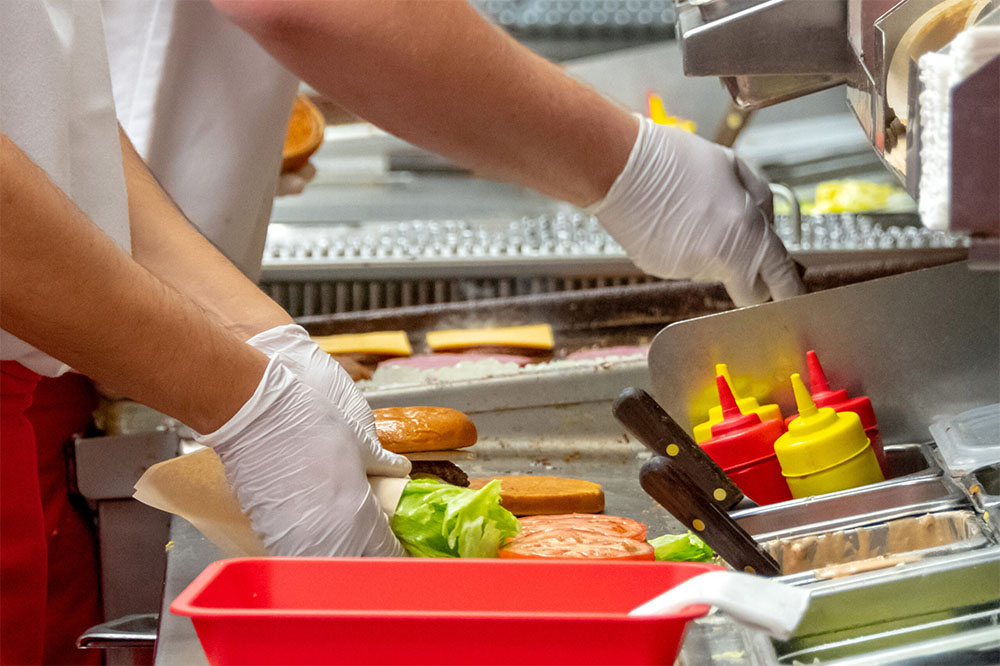
Digital food safety logs are replacing traditional paper-based systems in restaurant kitchens nationwide. Centralized digital platforms eliminate the need for clipboards, binders, and manual record-keeping that often result in lost documentation or illegible entries.
The shift to digital systems addresses critical pain points in food safety management:
- Accuracy improvements come from eliminating human error in manual data entry. Temperature logging technology with wireless sensors automatically records refrigerator and freezer readings every few minutes, capturing data that staff might miss during busy service periods. Automated checklists guide employees through proper procedures step-by-step, reducing the risk of skipped tasks.
- Accessibility transforms operations by storing all food safety records in cloud-based systems. Managers can review compliance data from any location using smartphones or tablets. During health inspections, staff can instantly pull up weeks or months of documentation instead of searching through filing cabinets.
- Time-stamped digital records create an auditable trail that paper logs cannot match. Each entry includes the employee’s name, exact completion time, and any corrective actions taken. This level of detail proves invaluable during investigations or audits.
- Automated labeling systems generate expiration date stickers based on preparation times, ensuring FIFO (first-in, first-out) rotation. Staff simply scan or select items, and the system calculates proper use-by dates according to food safety guidelines.
What Are the Benefits of Real-Time Monitoring and Alerts?
Real-time temperature monitoring prevents food spoilage before it becomes a health hazard or financial loss. Wireless sensors installed in coolers, freezers, and hot-holding equipment continuously track temperatures and transmit data to centralized dashboards, eliminating the need for manual temperature checks every few hours.
When temperatures deviate from safe ranges, the system sends immediate alerts to managers and kitchen staff via text, email, or app notifications. A walk-in cooler experiencing a mechanical failure at 2 AM triggers an instant alert, allowing restaurants to address the problem before an entire inventory of perishables spoils. This proactive approach saves thousands of dollars in wasted food and protects customers from potential foodborne illness.
The technology also creates automatic documentation of temperature compliance. Every reading is timestamped and stored digitally, providing verifiable proof during health inspections that proper storage conditions were maintained. Staff no longer need to remember to record temperatures manually or risk incomplete logs that could result in violations.
This automatic documentation is also beneficial for food storage and distribution compliance, ensuring that all processes meet regulatory requirements.
Key advantages of spoilage prevention alerts include:
- Reduced food waste from undetected equipment failures
- 24/7 monitoring without additional labor costs
- Automatic compliance documentation for audits
- Quick response times that minimize inventory loss
This is why restaurants are switching to restaurant food safety software—the combination of continuous monitoring and instant notifications transforms food safety from a reactive process into a preventive system.
How Does Food Safety Software Improve Efficiency and Save Time?
Restaurant food safety software eliminates hours of manual labor by automating repetitive compliance tasks. Digital platforms handle daily checklist completion, temperature logging, and sanitation records without requiring staff to fill out paper forms, saving multi-unit franchises up to 2 hours per day per location.
Automation in restaurants transforms how teams prepare for health inspections. The software automatically compiles audit-ready documentation, organizing months of temperature logs, cleaning schedules, and corrective actions into accessible reports. Managers no longer spend hours searching through filing cabinets or deciphering handwritten notes before inspector visits.
Time-saving software features extend beyond basic record-keeping:
- Automated expiration date labeling generates and prints labels for prepped ingredients instantly
- Pre-scheduled task reminders notify staff when cleaning or equipment checks are due
- Digital signature capture eliminates the need to track down employees for sign-offs
- Bulk data entry allows one-click completion of routine checks across multiple stations
Staff productivity increases when employees spend less time on paperwork and more time on food preparation and customer service. Digital checklists guide workers through proper procedures step-by-step, reducing confusion and ensuring consistent execution. The software’s offline functionality means kitchen staff can complete tasks even during WiFi outages, with data syncing automatically once connectivity returns.
How Software Improves Team Accountability and Training
1. Better Management of Staff Training
Staff training management platforms change how restaurants keep track of employee food safety training. With digital systems, it’s easy to see who completed which training modules, when certifications expire, and which team members need refresher courses. Managers get automatic reminders before credentials expire, so there’s no chance of having untrained staff handling food.
2. Easy Access to Standardized Operating Procedures (SOPs)
Standardized operating procedures (SOPs) are now available to every team member through mobile-friendly interfaces. Instead of digging through binders or old printouts, employees can easily access step-by-step protocols for proper handwashing, temperature checks, or allergen handling on their tablets or smartphones. This quick access ensures that everyone follows the same procedures regardless of their shift or location.
3. Improved Communication and Accountability among the Workforce
Workforce communication tools integrated into food safety software promote accountability by being transparent. When a team member completes a temperature log or sanitation checklist, the system automatically records their action with a timestamp. Managers can spot patterns—like which employees often miss tasks or which shifts have more compliance issues—and provide targeted coaching to address these problems.
4. Empowering Staff to Report Issues and Ask Questions
Digital platforms also allow staff to report potential hazards or ask questions in real-time. For example, if a line cook notices unusual refrigerator temperatures, they can immediately flag the issue through the app, creating a documented record of corrective actions. This gives power to employees and makes food safety a shared responsibility among the entire team, where everyone understands their role in preventing contamination.
Why Is Enhanced Record-Keeping Important for Restaurants?
Why Restaurants Are Switching to Restaurant Food Safety Software becomes clear when examining record-keeping challenges. Digital audit logs eliminate the chaos of paper-based systems where documents get lost, damaged by kitchen spills, or become illegible over time.
Secure record keeping through cloud-based platforms protects critical compliance data from physical destruction. When health inspectors arrive unannounced, restaurants can instantly pull up months of temperature logs, cleaning schedules, and corrective action reports from any device. This health inspection readiness transforms what was once a stressful scramble through filing cabinets into a confident, streamlined process.
Paper logs create vulnerabilities that expose restaurants to serious risks:
- Incomplete entries where staff forget to sign off on tasks
- Falsified records filled out retroactively to appear compliant
- Missing documentation when pages are torn or misplaced
- Illegible handwriting that makes verification impossible
Digital audit logs timestamp every entry automatically, creating an unalterable trail of who completed which task and when. Automated reminders ensure staff complete required checks on schedule rather than rushing to fill gaps before inspections. The software flags missing data immediately, allowing managers to address compliance gaps in real-time rather than discovering problems during audits.
This systematic approach to documentation protects restaurants from regulatory fines while building a defensible record that demonstrates consistent adherence to food safety protocols.
How Do Software Solutions Adapt to Evolving Food Safety Regulations?
Food safety regulations change frequently as health authorities update standards based on emerging research and foodborne illness trends. Software platforms address this challenge through regulatory updates integration that automatically incorporates new requirements into existing workflows without manual intervention.
When agencies like the FDA modify HACCP guidelines or introduce new FSMA provisions, modern food safety systems push compliance template updates directly to restaurant operators. These updates refresh digital checklists, adjust temperature thresholds, and modify documentation requirements to match current legal standards. Restaurants using these platforms maintain compliance without dedicating staff hours to researching regulatory changes or redesigning paper forms.
Adaptive software features allow customization based on jurisdiction-specific requirements. A restaurant chain operating across multiple states can configure location-specific protocols that reflect varying local health codes while maintaining standardized corporate policies. The software automatically applies relevant regulations to each site based on geographic parameters.
Cloud-based systems enable developers to monitor regulatory landscapes continuously and deploy updates remotely. When new allergen labeling laws take effect or sanitation protocols change, restaurants receive notifications and updated templates through their existing interface. This proactive approach eliminates the risk of operating under outdated procedures that could result in violations during health inspections or audits.
Can Food Safety Software Integrate with Broader Restaurant Operations?
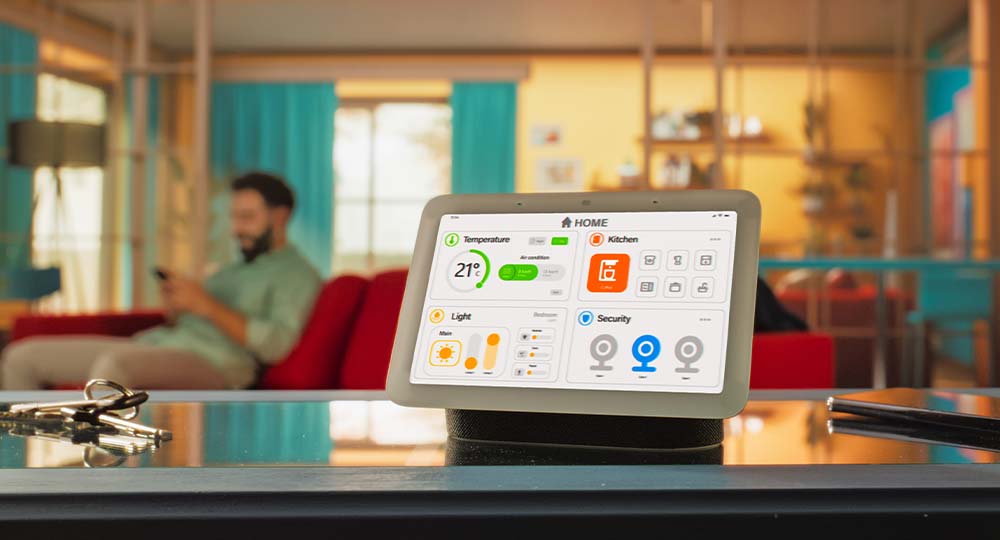
Modern integrated restaurant management software eliminates the need for multiple disconnected systems by combining food safety protocols with essential operational functions. These unified operations platforms handle temperature monitoring alongside inventory tracking, employee scheduling, and team communication within a single interface.
The Value of Inventory Management Integration
Inventory management integration proves particularly valuable when connected to food safety features. When temperature sensors detect a cooler malfunction, the system automatically flags affected inventory items and calculates potential losses. Staff receive immediate notifications about compromised products, preventing contaminated ingredients from reaching customers while simultaneously updating stock counts and triggering reorder alerts.
Creating Accountability through Scheduling Integration
The connection between scheduling and food safety creates accountability structures that traditional paper systems cannot match. Managers assign specific safety tasks—such as equipment sanitization or temperature checks—directly to scheduled employees through the platform. The software tracks completion rates by individual team member and shift, identifying training gaps or compliance issues before health inspections occur.
Ensuring Consistent Communication
Communication tools embedded in these platforms ensure safety protocols reach every team member instantly. When regulations change or new procedures roll out, managers push updates through the same system employees already use for daily checklists and temperature logs. This centralized approach reduces confusion and maintains consistency across multiple locations, making it especially beneficial for restaurant chains managing standardized safety protocols at scale.
What Are Some Popular Restaurant Food Safety Software Options?
Does the market offer diverse solutions for different restaurant sizes and needs? Yes, several specialized platforms cater to varying operational scales and compliance requirements, each bringing distinct strengths to food safety management.
- Operandio stands out for multi-unit operations, offering centralized oversight across multiple locations with robust reporting capabilities. The platform’s strength lies in standardizing procedures across franchise networks while maintaining location-specific customization.
- Jolt targets small restaurants and single-site operations with straightforward digital checklists and temperature monitoring. Its user-friendly interface requires minimal training, making it accessible for teams with varying technical skills.
- FoodDocs leverages AI-powered setup to generate customized HACCP plans and monitoring procedures in minutes rather than weeks. The system analyzes your menu and operations to automatically create relevant food safety documentation, dramatically reducing implementation time.
- SafetyCulture (formerly iAuditor) provides extensive template libraries and mobile-first inspection tools. The platform excels at visual documentation through photo capture and supports offline functionality for kitchens with unreliable connectivity.
- Safefood 360, MaintainIQ, and FreshCheq round out the options with specialized features like advanced supplier management, equipment maintenance tracking, and automated expiration labeling. Each platform addresses specific pain points restaurants face when managing food safety compliance across daily operations.
Conclusion
Restaurant food safety software is changing the way foodservice operations keep people safe and follow regulations. This technology solves important problems by using automated monitoring, simplified documentation, and immediate alerts to stop food safety issues before they happen.
By using these digital solutions, restaurants can enjoy many benefits such as:
- Lower labor costs
- Better compliance with regulations
- Increased responsibility among team members
The money spent on this investment will be returned through fewer violations, less food waste, and smoother operations that allow staff to prioritize customer service instead of doing paperwork manually.
The real question is not whether you should use food safety software or not, but rather which solution is the best fit for your specific needs and size of your operation.
Click here: Why Smart Food Safety Temperature Monitoring Is Crucial for Restaurants
Why Food Safety Traceability Software Matters in 2025
In 2025, the global food industry is at a crucial point where advanced food safety traceability software has become essential. These complex systems are the foundation of modern food safety management, providing complete solutions for tracking, monitoring, and documenting every stage of the food supply chain.
Food safety traceability software represents a revolutionary shift from traditional paper-based systems to intelligent, automated platforms that ensure:
- Real-time monitoring of food safety parameters
- Instant access to critical documentation
- Automated compliance reporting
- Rapid response capabilities for potential safety issues
The Need for Advanced Traceability Solutions
The globalisation of food supply chains has created unprecedented complexity, with products crossing multiple borders and changing hands numerous times before reaching consumers. This intricate web of suppliers, processors, and distributors demands robust traceability solutions powered by cutting-edge technologies like blockchain to maintain transparency and accountability.
The Challenges Faced by Food Businesses
In 2025, the stakes are higher than ever. Food businesses face intensifying pressure to:
- Maintain uncontaminated products
- Protect brand reputation
- Enhance operational efficiency
- Navigate complex supply chains
- Meet stringent regulatory requirements
As food safety challenges evolve, advanced traceability software emerges as the cornerstone of risk management and quality assurance in the food industry.
1. Ensuring Consumer Safety and Brand Reputation with Food Safety Traceability Software
Food safety software systems is essential for protecting both consumer health and brand reputation in today’s food industry. With advanced tracking systems in place, businesses can have complete control over product quality at every stage of the supply chain, ensuring that contaminated products never reach the hands of consumers.
Real-time Monitoring and Quick Action
One of the key benefits of food safety traceability software is its ability to monitor critical factors in real-time and respond swiftly to any issues that may arise. This includes:
- Immediate detection of temperature fluctuations
- Instant alerts for potential contamination risks
- Rapid identification of affected product batches
- Quick isolation of compromised items
By having these capabilities, businesses can take immediate action to prevent further damage and protect both their customers and their brand reputation.
Unbreakable Chain of Accountability
Another important aspect of food safety traceability software is its ability to create a comprehensive record of every step in the product journey. This includes:
- Raw material sourcing
- Processing conditions
- Storage temperatures
- Transportation routes
- Final delivery
By documenting each touchpoint along the way, businesses can ensure accountability and transparency throughout their supply chain.
Effective Recall Management
In the unfortunate event that a food safety issue does occur, traceability software can help businesses manage recalls more effectively. This includes:
- Precise identification of affected products
- Targeted recall execution
- Minimized financial impact
- Protected consumer trust
By having a clear understanding of which products are affected and where they are located, businesses can act quickly to remove them from circulation and prevent any harm to consumers.
Building Trust through Compliance
Brand reputation is heavily influenced by how well a company demonstrates its commitment to food safety practices. Traceability software provides documented evidence of compliance with regulations and industry standards, which can help build trust with stakeholders such as:
- Customers
- Suppliers
- Regulatory authorities
By being able to prove that they are following best practices when it comes to food safety, businesses can strengthen their position in the market and differentiate themselves from competitors.
Eliminating Human Error with Automation
One of the biggest challenges in maintaining accurate records is the potential for human error. However, with the integration of automated record-keeping systems through traceability software, businesses can eliminate this risk and ensure data integrity. As discussed in this article, automation not only streamlines processes but also significantly enhances compliance accuracy.
By having consistent processes in place for recording information such as temperature readings or transportation details, companies can create an impenetrable defence against food safety risks and reputational damage. The importance of data automation in achieving this cannot be overstated, as it plays a crucial role in ensuring accurate record-keeping.
Furthermore, the implementation of food safety traceability software has been shown to improve overall compliance rates, making it an invaluable tool for any business operating within the food industry.

2. Enhancing Operational Efficiency and Cost Reduction through Supply Chain Management
Digital traceability solutions are changing the game in supply chain management by giving us the ability to see food processes in real-time. With advanced tracking systems, we can make our operations smoother and more efficient by:
- Automated Data Collection: This means no more manual record-keeping, which not only saves us money on labour costs but also reduces the chances of human error.
- Real-time Inventory Management: By keeping a close eye on our stock levels, we can avoid ordering too much or letting any products go to waste.
- Predictive Analytics: Using artificial intelligence (AI), we can gain insights that help us optimise our ordering patterns and allocate our resources effectively.
- Temperature Monitoring: With automated sensors in place, we can ensure that our products are stored at the right temperature, preventing spoilage and minimising losses.
Uncovering Hidden Inefficiencies with Supply Chain Data Analysis
By analysing data from our supply chain using traceability software, we can discover inefficiencies that may have been hidden before:
- Identifying bottlenecks in our production and distribution processes
- Spotting redundant processes that are driving up our operational costs
- Tracking delivery routes to plan our logistics more effectively
- Monitoring how well our suppliers are performing
The Cost Benefits of Implementing Traceability Systems
When we implement comprehensive traceability systems like Squizify, we can expect to see measurable cost benefits:
Studies show businesses achieve up to 30% reduction in operational costs through enhanced supply chain visibility and automated monitoring systems
Creating a Connected Ecosystem with IoT Devices and Sensors
By smartly integrating Internet of Things (IoT) devices and sensors into our operations, we can create a connected ecosystem that brings about several advantages:
- Reducing the need for manual inspections
- Minimising errors in documentation
- Speeding up the movement of products through our supply chain
- Optimising storage conditions for perishable goods
Making Informed Decisions with Data
With data-driven decision making, we can allocate our resources efficiently, reduce waste, and maintain optimal inventory levels. This means we’re not only saving money but also running a more sustainable operation.
The strategic use of traceability software is transforming how we manage our supply chain. Instead of being seen as a cost centre, it’s now becoming an operation that generates value for our business.
3. Complying with Regulations and Standards Using Traceability Software
The Food Safety Modernization Act (FSMA) represents a significant shift in food safety regulations, emphasising prevention rather than reaction to contamination issues. Food safety traceability software serves as a critical tool for businesses to meet these stringent requirements through:
- Real-time Documentation: Automated recording of critical control points, temperature monitoring, and handling procedures
- Digital Audit Trails: Comprehensive tracking of every product movement and transformation throughout the supply chain
- Immediate Access: Quick retrieval of required documentation during inspections or audits
The implementation of traceability software transforms traditional compliance methods into streamlined digital processes:
- Automated Compliance Reporting
- Scheduled generation of required documentation
- Instant alerts for non-compliance issues
- Digital signatures and time stamps for accountability
- Risk Management
- Early detection of potential hazards
- Automated corrective action protocols
- Systematic approach to preventive controls
Traceability software enables businesses to shift from manual record-keeping to sophisticated preventive measures:
“Prevention through technology reduces human error and strengthens food safety protocols across all operational levels”
The software’s ability to maintain detailed records helps organisations:
- Track supplier certifications
- Monitor employee training compliance
- Document sanitation procedures
- Verify temperature controls
- Manage allergen controls
These capabilities align with FSMA’s preventive controls requirements while providing the necessary documentation for regulatory inspections and third-party audits.
4. Overcoming Challenges in Complex Supply Chains with Advanced Solutions
Modern food supply chains stretch across continents, involving numerous stakeholders, multiple handling points, and diverse transportation methods. This intricate network creates significant challenges for maintaining food safety and traceability.
Advanced technological solutions address these complexities through:
- Real-time Data Integration: Connecting multiple intermediaries through centralised platforms
- Automated Documentation: Reducing manual errors and streamlining information flow
- IoT Sensors: Monitoring environmental conditions throughout transportation
- Digital Authentication: Verifying product authenticity at each transfer point
The implementation of standardised data protocols enables seamless communication between different systems and stakeholders. These protocols create a unified language for tracking products, ensuring consistent documentation across the supply chain.
Packaging Safety Integration
Safe packaging plays a critical role in maintaining product integrity and traceability. Advanced traceability systems now incorporate:
- Smart packaging with embedded sensors
- QR codes linking to complete product histories
- Temperature-sensitive indicators
- Tamper-evident seals with digital verification
These innovations allow real-time monitoring of packaging conditions and immediate alerts for any breaches in safety standards.
Supply Chain Visibility
Modern traceability software provides:
- End-to-end visibility of product movement
- Instant access to certificates of analysis
- Automated alerts for potential contamination risks
- Detailed audit trails for each handling point
The integration of blockchain technology adds an extra layer of security and transparency, creating immutable records of every transaction and transfer within the supply chain. This technological advancement ensures accountability and builds trust among stakeholders while maintaining the highest standards of food safety.
5. The Future of Food Safety Traceability Software: Predictions for 2025 and Beyond
The world of food safety traceability software is constantly changing and improving. One of the main drivers behind this evolution is blockchain technology, which offers greater transparency and security throughout the entire food supply chain. With its decentralised nature, blockchain creates an unchangeable record of transactions, ensuring that critical food safety data cannot be modified or tampered with.
Key Technological Advancements Expected by 2025:
- AI-Powered Predictive Analytics: Machine learning algorithms will detect potential safety issues before they escalate
- IoT Integration: Smart sensors will provide real-time monitoring of food conditions throughout transportation
- Quantum Computing Applications: Advanced processing capabilities will handle complex supply chain calculations
- Digital Twin Technology: Virtual replicas of physical supply chains will enable better risk assessment
The globalised food industry requires sophisticated regulatory compliance measures. Cross-border trade demands harmonised standards and real-time verification capabilities. To meet these needs, advanced traceability software will incorporate:
- Automated compliance checking against multiple international standards
- Real-time updates to reflect changing regulations across different jurisdictions
- Multi-language support for global operations
- Integrated certification management systems
These developments align with the growing need for standardised food safety protocols across international markets. Companies like Squizify are already pioneering SaaS platforms that offer 24/7 accessibility and automated record-keeping – essential features for future-ready traceability solutions.
The integration of blockchain with existing traceability systems will create robust frameworks capable of handling complex international supply chains while maintaining the highest standards of food safety and regulatory compliance.
Conclusion
Food safety traceability software is essential for food industry operations in 2025. It offers:
- Better Consumer Protection through real-time monitoring and quick response to contamination
- Improved Operations with data-driven insights and automated documentation
- Compliance with Regulations through comprehensive management
- Visibility in Supply Chain across complex global networks
Advanced traceability platforms like Squizify turn food safety challenges into competitive advantages. These systems offer round-the-clock access, automated record-keeping, and customised solutions for specific industry needs.
Businesses must act now to secure their position in a market that is becoming more regulated and focused on consumer preferences. Investing in comprehensive food safety traceability software is not just about meeting current standards—it’s about building a strong foundation for future growth and success in the ever-changing food industry landscape of 2025 and beyond.
Related : Remote Temperature Monitoring System Setup for Multi-Site Kitchens