

Implementing a Robust Food Safety Compliance System for Audits
Why Should Businesses Implement a Robust Food Safety Compliance System for Audits?
A strong food safety compliance system protects consumers from foodborne illnesses and businesses from expensive recalls, legal issues, and damage to their reputation. By implementing a comprehensive system, businesses can create a structured framework that identifies potential hazards, establishes controls, and maintains consistent safety standards across all operations.
The Consequences of Inadequate Food Safety Measures
The consequences of insufficient food safety measures go beyond immediate health risks. Businesses may face:
- Financial losses from product recalls, which can cost millions in direct expenses and lost revenue
- Legal penalties including fines, sanctions, and potential criminal charges for serious violations
- Brand reputation damage that can take years to rebuild after a food safety incident
- Loss of market access when failing to meet retailer or export requirements
The Importance of Food Safety Audits
Food safety audits are a critical component of an effective Food Safety Compliance System, verifying whether processes and procedures are functioning as intended. These systematic examinations assess compliance with regulatory requirements, industry standards, and internal protocols. By integrating audits within a Food Safety Compliance System, businesses can identify gaps before they escalate into serious incidents, gaining actionable insights for continuous improvement.
Regular audit cycles create accountability throughout the organization. Internal audits conducted monthly or quarterly catch issues early on, while external audits by third-party certifiers or regulatory bodies validate that systems meet recognized standards like HACCP or GFSI-benchmarked schemes. This dual-layer approach ensures both internal vigilance and external credibility.
Demonstrating Due Diligence to Stakeholders
The audit process also serves as evidence of due diligence to stakeholders. Retailers, distributors, and consumers increasingly demand proof of food safety commitment. Documented audit results provide tangible evidence that a business takes its safety responsibilities seriously, opening doors to new markets and partnerships that require certified suppliers.
What Are the Core Components of an Effective Food Safety Management System?
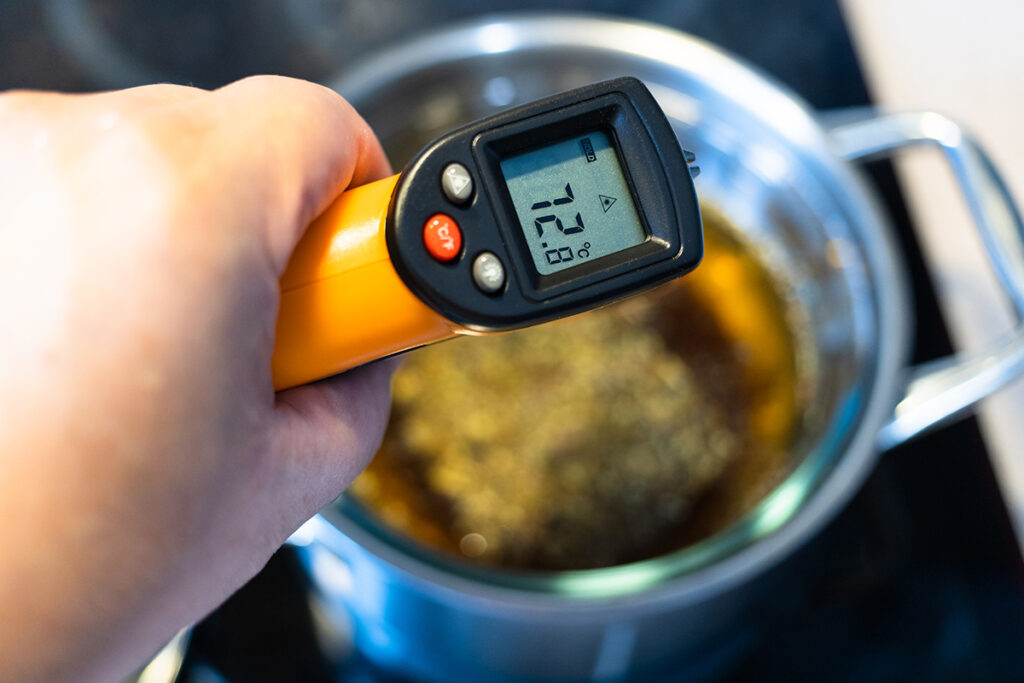
An effective food safety management system relies on structured methodologies that systematically identify and control potential hazards throughout the food production chain. HACCP (Hazard Analysis and Critical Control Points) serves as the foundation for most modern food safety management systems, providing a science-based framework that prevents, eliminates, or reduces food safety hazards to acceptable levels.
Understanding HACCP’s Role in Hazard Control
HACCP transforms food safety from reactive problem-solving to proactive risk management. The system requires food businesses to analyze every step of their operations—from raw material receipt to final product distribution—identifying where biological, chemical, or physical hazards could compromise food safety. A bakery implementing HACCP might identify metal contamination from mixing equipment, allergen cross-contact during production changeovers, or bacterial growth from inadequate cooling as critical hazards requiring specific controls.
Conducting Comprehensive Hazard Analysis
Hazard analysis forms the first pillar of any food safety management system. This process involves examining each ingredient, process step, storage condition, and handling practice to determine potential risks. Teams must consider:
- Biological hazards: Pathogens like Salmonella, Listeria, or E. coli that could contaminate products
- Chemical hazards: Cleaning agents, pesticides, or naturally occurring toxins
- Physical hazards: Glass fragments, metal shavings, or plastic pieces
- Allergen hazards: Cross-contact with major allergens during processing
The analysis evaluates both the likelihood of occurrence and potential severity of each hazard, prioritizing those requiring stringent control measures.
Identifying Critical Control Points
Critical control points (CCPs) represent specific locations, steps, or procedures where control measures can prevent, eliminate, or reduce identified hazards to safe levels. A meat processing facility might establish CCPs at cooking (to eliminate pathogens), metal detection (to remove physical hazards), and cold storage (to prevent bacterial growth). Each CCP requires clearly defined critical limits—measurable parameters that separate safe from unsafe conditions.
A cooking CCP might specify: “All chicken products must reach an internal temperature of 75°C for at least 15 seconds.” These limits derive from scientific evidence and regulatory requirements
How Do Regular Audits Support Ongoing Food Safety Compliance?
Regular audits serve as systematic checkpoints that ensure food safety systems are functioning properly and meeting regulatory requirements. The food safety audit process creates accountability through scheduled reviews that identify potential issues before they become serious compliance violations or food safety incidents.
Internal Audits vs External Audits: Understanding the Difference
Internal audits are self-assessments conducted by trained personnel within the organization, while external audits involve independent third-party auditors or regulatory inspectors who provide objective evaluation. Internal teams have a deep understanding of daily operations and can identify practical improvement opportunities. External auditors offer fresh perspectives, industry benchmarking insights, and unbiased validation that systems meet recognized standards.
The relationship between these audit types creates a layered defense strategy. Internal reviews prepare facilities for external scrutiny by identifying and resolving gaps proactively. External validation then confirms that internal controls function effectively and align with industry expectations.
How Often Should Internal Audits Occur?
Most food businesses conduct internal audits monthly or quarterly, depending on operational complexity and risk profiles. High-risk operations handling raw proteins or allergens typically audit more frequently than low-risk facilities processing shelf-stable products.
These regular intervals serve specific purposes:
- Monthly audits catch procedural drift where staff gradually deviate from established protocols
- Quarterly comprehensive reviews assess system-wide effectiveness and identify emerging trends
- Targeted audits focus on specific areas following customer complaints, near-miss incidents, or process changes
Consistent scheduling transforms audits from reactive firefighting into proactive quality assurance. Teams develop muscle memory for compliance expectations, making adherence second nature rather than a scramble before external visits.
What Do External Audits Validate?
External audits by certification bodies, regulatory agencies, or customer representatives validate that documented systems reflect actual practices. These audits assess compliance against GFSI standards such as SQF, BRCGS, or FSSC 22000, which represent globally recognized benchmarks for food safety management.
Third-party auditors evaluate five critical dimensions:
- Compliance verification: Confirming adherence to applicable regulations and certification requirements
- Process integrity: Validating that critical control points function as intended and preventive measures are effective
- Record accuracy: Reviewing documentation for consistency with operational activities and demonstrating traceability
- Hygiene assessment: Inspecting cleanliness practices at all stages of production to prevent cross-contamination risks
- Training evaluation: Assessing employee competency in food safety practices through interviews and observations
By combining internal expertise with external validation, organizations establish robust food safety cultures capable of sustaining compliance over time.
Why Is Staff Training Vital for Maintaining Food Safety Compliance?
Food safety training transforms employees from potential risk points into active defenders of compliance. Without proper employee education, even the most sophisticated food safety management systems fail at the human level where procedures meet practice. Staff who understand the “why” behind protocols consistently apply them, reducing contamination risks and audit failures.
Building a Foundation Through Continuous Education
Continuous education keeps food safety principles fresh in employees’ minds as they face daily operational pressures. A single training session during onboarding creates a false sense of security—knowledge degrades over time, procedures evolve, and regulations change.
Effective food safety training programs operate on recurring cycles:
- Monthly refreshers on critical topics like handwashing protocols and cross-contamination prevention
- Quarterly updates when procedures change or new equipment arrives
- Annual comprehensive reviews covering all aspects of the food safety management system
- Immediate training following audit findings or near-miss incidents
Real-world scenarios strengthen retention better than theoretical presentations. When staff at a seafood processing facility practice proper temperature logging with actual thermometers rather than watching videos, they develop muscle memory that persists during busy shifts.
Customizing Training to Match Operational Roles
Generic training wastes time and fails to address role-specific risks. A receiving clerk needs deep knowledge of supplier verification and temperature checks, while a sanitation worker must master chemical handling and cleaning validation techniques.
Role-specific training addresses these distinct needs:
- Production line workers: Personal hygiene, equipment sanitation, allergen awareness, proper handling techniques
- Quality assurance staff: Sampling procedures, testing protocols, documentation requirements, corrective action implementation
- Maintenance personnel: Equipment calibration, preventive maintenance schedules, food-grade lubricants, pest-proofing techniques
- Supervisors and managers: Audit preparation, record review, staff oversight, regulatory interpretation
A bakery implementing a robust food safety compliance system for audits discovered that training decorators specifically on allergen cross-contact prevention reduced incidents by 78%. The decorators learned which tools required dedicated use for allergen-free products and how to sequence production runs to minimize contamination risks.
Measuring Training Effectiveness Through Performance Indicators
Training programs require validation beyond attendance
How Must Food Safety Systems Comply with Regulations?
Food safety systems must align with specific regulatory frameworks that govern food production, handling, and distribution within their operating jurisdictions. Regulatory compliance forms the legal foundation upon which all food safety practices are built, with non-compliance potentially resulting in product recalls, facility closures, or legal penalties.
What National and International Regulations Apply to Food Safety Systems?
Businesses must navigate a complex landscape of regulations depending on their location and market reach. In the United States, the FDA FSMA (Food Safety Modernization Act) represents the most significant reform of food safety laws in over 70 years, shifting the focus from responding to contamination to preventing it. The law mandates preventive controls, establishes science-based minimum standards for produce safety, and requires foreign suppliers to meet U.S. safety standards.
Australian food businesses operate under the Food Standards Code Australia, which establishes maximum levels of contaminants, additives, and processing aids while defining labeling requirements and compositional standards. This code applies across all states and territories, creating a unified approach to food safety regulation.
International operations require adherence to Codex Alimentarius standards, which provide harmonized international food standards, guidelines, and codes of practice. The European Union’s General Food Law Regulation (EC) No 178/2002 establishes comprehensive food safety principles for businesses operating within EU markets.
What Are the Essential Regulatory Requirements for Food Safety Systems?
Hygiene protocols form the cornerstone of regulatory compliance, requiring businesses to maintain sanitary conditions throughout all stages of food production. These protocols mandate:
- Personal hygiene practices including handwashing stations, protective clothing, and illness reporting procedures
- Cleaning and sanitization schedules with documented verification
- Separation of raw and ready-to-eat products to prevent cross-contamination
- Pest control programs with regular monitoring and documentation
Temperature controls represent critical regulatory requirements across all jurisdictions. Refrigerated foods must maintain temperatures at or below 5°C (41°F), while hot foods require holding temperatures above 60°C (140°F). Cooking temperatures vary by product type, with poultry requiring internal temperatures of 74°C (165°F) and ground meats reaching 71°C (160°F).
How Can Technology Enhance Food Safety Compliance and Audit Preparation?
Digital food safety software transforms compliance management from paper-based chaos into streamlined, verifiable processes. These platforms automate routine tasks, reduce human error, and provide auditors with instant access to comprehensive records that demonstrate systematic food safety control.
Automated Checklists and Reminders
Digital checklists eliminate the risk of missed inspections or forgotten procedures. Staff receive automated notifications for scheduled tasks like temperature checks, equipment calibration, or cleaning protocols. The system timestamps each completed action and flags overdue items immediately, ensuring no critical control point goes unmonitored.
Smart reminder systems adapt to operational patterns. If a refrigeration unit requires temperature logging every four hours, the software sends alerts to designated personnel precisely when readings are due. This proactive approach prevents compliance gaps before they occur.
Centralized Document Storage
Traditional filing systems scatter critical records across multiple locations—temperature logs in one binder, cleaning schedules in another, training certificates in a third. Digital food safety software consolidates all documentation into a single, searchable repository accessible from any authorized device.
Auditors can retrieve years of records within seconds rather than hours. When an inspector requests proof of corrective actions from six months prior, staff locate the exact document with date-stamped photos, assigned responsibilities, and verification of completion. This instant traceability demonstrates organizational competence and transparency.
Cloud-based storage provides automatic backups, protecting against data loss from physical damage or system failures. Version control ensures teams always reference the most current procedures and policies.
Real-Time Monitoring Capabilities
Real-time monitoring systems track critical parameters continuously without manual intervention. IoT-enabled sensors measure refrigeration temperatures, humidity levels, or cooking times and transmit data directly to the compliance platform. Deviations from acceptable ranges trigger immediate alerts to supervisors.
This constant surveillance identifies problems at their earliest stage. A freezer temperature rising by two degrees might seem insignificant during a manual check, but continuous monitoring reveals the upward trend hours before product safety becomes compromised. Staff can address equipment malfunctions before they escalate into costly product losses or health hazards.
Photo Evidence and Geolocation Verification
Modern compliance platforms allow staff to attach timestamped photographs directly to inspection records. Visual documentation proves cleaning
What Role Do Corrective Actions Play in Strengthening Food Safety Systems?
Corrective actions are essential for continuously improving a strong food safety compliance system during audits. When auditors find issues—such as temperature problems, missing documents, or not following procedures—how quickly and effectively you respond will affect both immediate food safety and the long-term strength of your system.
Quick corrective actions stop small problems from turning into big food safety incidents. If a temperature log shows that refrigeration is not at the safe level, you need to act right away: move the affected products, investigate why the equipment failed, and document everything you did in response. If you wait too long to react, it could put the safety of your products at risk and lead to expensive recalls or penalties from regulators.
Identifying Non-Conformities During Audits
Audits can uncover weaknesses that day-to-day operations might miss. Some common issues found during audits include:
- Incomplete or missing documents for critical control points
- Staff not following established cleaning protocols
- Pest control measures that are not adequate or evidence of pest activity
- Risks of cross-contamination in storage or preparation areas
- Equipment calibration records that are outdated or absent
- Allergen management procedures not properly implemented
Each finding is an opportunity to make your food safety system stronger. Instead of viewing the audit report as a list of failures, use it as a guide for making specific improvements.
The Critical Importance of Root Cause Analysis
Fixing problems on the surface only addresses symptoms without getting to the root causes. To prevent non-conformities from happening again, you need to dig deeper and understand why they occurred.
A systematic approach to root cause analysis involves asking “why” repeatedly until reaching the fundamental issue. For example, if staff consistently fail to complete temperature logs, the surface problem may seem like negligence. However, further investigation might reveal inadequate training, confusing procedures, or thermometers placed inconveniently far from workstations.
The “5 Whys” technique is particularly effective in this process:
- Why was the temperature log incomplete? Staff member forgot to record readings.
- Why did they forget? No reminder system exists during busy service periods.
- Why is there no reminder system? Management assumed staff would remember without prompts.
- Why was this assumption made? Previous location had fewer daily temperature checks required.
- Why weren’t procedures updated for this new requirement? Management didn’t realize the impact of increased checks on staff workload.
By identifying and addressing these underlying issues through corrective actions, you can create lasting improvements in your food safety practices and reduce the likelihood of non-conformities occurring again in future audits.
Why Is Certification Important for Demonstrating Food Safety Commitment?
Certification provides third-party validation that your food safety system meets internationally recognized standards. Independent certification programs such as SQF (Safe Quality Food), BRCGS (Brand Reputation through Compliance Global Standards), and FSSC 22000 (Food Safety System Certification) offer credible proof to customers, retailers, and regulators that your organization operates according to rigorous food safety protocols.
These certifications open market access, particularly with major retailers and food service companies that require GFSI-benchmarked credentials from their suppliers. A certified facility demonstrates systematic hazard control, consistent quality management, and commitment to continuous improvement—factors that build trust with stakeholders and differentiate your business in competitive markets.
What Value Do Global Certifications Bring to Food Businesses?
Global certifications eliminate the need for multiple customer audits by providing a single, recognized credential accepted across markets. SQF certification, developed by the Food Marketing Institute, combines food safety with quality management and is widely required by North American retailers. BRCGS certification, originating from the British Retail Consortium, holds strong recognition in European markets and covers food safety, quality, and operational criteria.
FSSC 22000 integrates ISO 22000 with sector-specific prerequisite programs, creating a comprehensive framework recognized by the Global Food Safety Initiative. This certification suits manufacturers, processors, and logistics providers seeking alignment with international standards. Each certification carries different strengths:
- SQF: Emphasizes food quality alongside safety, with three certification levels
- BRCGS: Includes product safety, process control, and personnel requirements with graded scoring
- FSSC 22000: Focuses on systematic management approach with strong ISO integration
How Does the Certification Process Work?
The certification journey begins with gap analysis—a detailed assessment comparing current practices against certification requirements. This diagnostic phase identifies deficiencies in documentation, procedures, infrastructure, or training that need addressing before formal audit.

What Challenges Arise When Implementing a Robust Food Safety Compliance System?
Challenges in food safety compliance arise from the complexity of maintaining comprehensive systems that satisfy multiple stakeholders while adapting to constant industry changes. Organizations face operational, technical, and human resource obstacles that can derail even well-intentioned compliance efforts.
How Does Documentation Volume Overwhelm Food Safety Teams?
Documentation requirements create significant administrative burdens for food businesses. A typical facility must maintain records for temperature logs, cleaning schedules, equipment calibration, supplier verification, pest control activities, staff training certificates, corrective actions, and audit findings—often spanning years for regulatory purposes.
Paper-based systems amplify these challenges through physical storage limitations, difficulty retrieving specific records during audits, and increased risk of document loss or damage. Teams spend hours manually completing forms, filing paperwork, and searching through filing cabinets when auditors request evidence.
The volume intensifies as businesses scale operations or add product lines. Each new process introduces additional monitoring points, each requiring separate documentation trails. Small errors in record-keeping—missing signatures, incomplete dates, illegible handwriting—can result in audit non-conformities despite actual compliance with safety procedures.
Why Do Regulatory Changes Create Compliance Gaps?
Food safety regulations evolve continuously as scientific understanding advances and new hazards emerge. Regulatory bodies update standards for pathogen control, allergen labeling, sanitation protocols, and traceability requirements with varying implementation timelines.
Businesses struggle to monitor multiple regulatory sources simultaneously. A company exporting internationally must track FDA requirements, EU regulations, destination country standards, and customer-specific certification schemes. Missing a single regulatory update can render existing procedures non-compliant overnight.
The interpretation of new regulations presents additional complications. Vague regulatory language leaves room for different understandings of compliance requirements. Food safety managers must determine how broad directives apply to their specific operations, products, and processes without clear guidance until enforcement actions clarify expectations.
What Resistance Hinders Procedure Implementation?
Staff resistance to new protocols creates implementation barriers across organizational levels. Production workers accustomed to established routines view additional documentation steps as productivity obstacles. Supervisors resist changing familiar processes that have “always worked fine” despite lacking formal hazard controls.
Cultural factors influence compliance attitudes differently across facilities. Long-tenured employees may
Conclusion
Implementing a strong food safety compliance system for audits turns regulatory requirements into competitive advantages. Organizations that focus on systematic hazard control, regular auditing cycles, and continuous staff development position themselves as industry leaders rather than just compliance checkers.
An effective food safety compliance system relies on continuous improvement. Each audit cycle uncovers opportunities to strengthen protocols, each training session deepens organizational knowledge, and each technological integration enhances traceability. Successful businesses see compliance as an ongoing journey that requires constant attention and resource allocation.
The way forward requires three key commitments:
- Embrace technology to reduce documentation burdens and improve real-time monitoring capabilities
- Invest in people through ongoing training programs that adapt to emerging risks and regulatory shifts
- Maintain vigilance by treating every audit as a learning opportunity rather than a pass-fail examination
Food safety systems that include these principles create resilient frameworks capable of withstanding regulatory scrutiny while protecting public health. The initial investment in comprehensive processes, digital tools, and certification programs pays off through reduced recall risks, enhanced brand reputation, and streamlined audit experiences.
Success requires leadership commitment beyond compliance departments. When food safety becomes part of the organizational culture—from executive decision-making to frontline operations—businesses become agile in responding to new hazards, regulatory changes, and consumer expectations. This cultural shift transforms compliance from a cost center into a value generator that builds consumer trust and operational excellence.
Organizations that succeed in today’s complex food safety landscape understand that strong systems need constant care. Regular system reviews, proactive gap analyses, and willingness to adapt procedures ensure compliance frameworks stay relevant and effective as the industry evolves.
Click here for more The Link Between Food Safety and Compliance in Manufacturing